
(Image source from: rvcj.com)
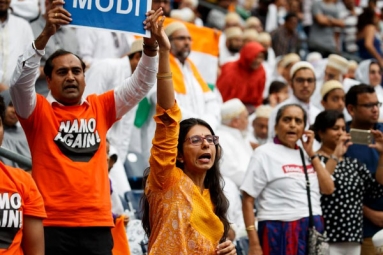
For numerous Indians, the United States used to represent the top goal, but for an increasing number, the idea of the American dream is gradually diminishing. A study by the Carnegie Endowment indicates that the Indian American population is feeling more anxious, and many are considering leaving the United States. A survey done with YouGov involving 1,000 participants shows that almost 40% of Indian Americans have contemplated moving away due to various political, economic, and social challenges. "Only a small number of those surveyed, 14 percent, reported regularly thinking about leaving the U. S., while 26 percent thought about it now and then," the study highlights. "A notable point is that the main reason given for this is a feeling of frustration with U. S. politics, noted by almost 60 percent of respondents (58 percent). Next in line are worries about living costs (54 percent) and personal safety (41 percent)," the survey further explains. It is important to note that over 5.2 million individuals of Indian descent are currently living in the United States.
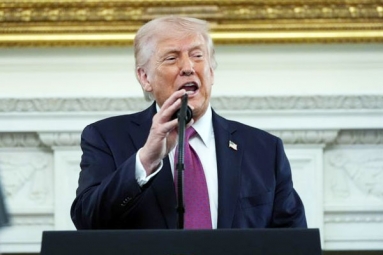
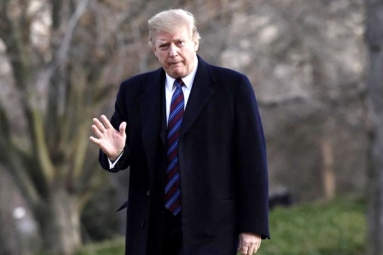
The current political situation is central to this shift, with 58% of individuals considering leaving citing it as their primary reason. A general dissatisfaction with Donald Trump's term in office has greatly influenced this feeling. Approximately 71% of the respondents expressed disapproval of how he managed economic issues, immigration, and international affairs. Although there are some concerns about the relationship between the U. S. and India, most people do not view foreign policy as a significant concern. Rather, many feel uneasy about the nature of local politics and what they perceive as an increasingly exclusive national viewpoint. Experts argue that language stressing "America for Americans" has led immigrant groups, including Indian Americans, to feel less included. A rising sense of discrimination and social instability is also connected to this issue. Since 2020, there hasn’t been a notable surge in overt violence, but many are increasingly worried about day-to-day prejudices, especially in workplaces and online. A significant number of individuals mentioned they adapted their behavior, avoided specific discussions, or felt less secure in public settings. For a community primarily consisting of first-generation immigrants and non-citizens, this persistent but minor sense of discomfort is a major factor in their thoughts about departing.
Economic challenges represent another significant aspect. The increasing expense of living in the United States, particularly in large cities and technology centers, has made it harder for many middle-class families to settle down for the long term. Concerns about inflation and job stability are prominent, with 21% and 17% of survey participants mentioning them, respectively. Financial worries are shifting the perspective of Indian Americans regarding their future in the nation. It is now believed that the expense of raising a child exceeds $300,000, and the rent for a one-bedroom apartment in cities such as San Francisco, Seattle, and New York ranges from $3,000 to $5,000 monthly. Nevertheless, the US immigration process might be the most enduring systemic issue. Extended visa waiting times, delays in obtaining green cards, and uncertainty in policies continue to impact a large number of individuals within the Indian community, many of whom are skilled workers on temporary visas. Recent visa updates have only strengthened the belief that achieving permanent residency is still a remote and unreliable aim. This sense of instability, even after many years or decades of living and working in the US, has become a significant point of annoyance for the community. The community is also experiencing a transformation in its political landscape. Indian Americans have become less connected to a single political party. Since the year 2020, a smaller number of individuals have identified as Democrats, while support for Republicans has remained relatively steady. Approximately 30% of people now consider themselves independents, which indicates an increasing trend. This indicates a larger shift away from party loyalty towards choices based on real-life concerns such as job security, family safety, and long-term stability.