(Image source from: Canva.com)
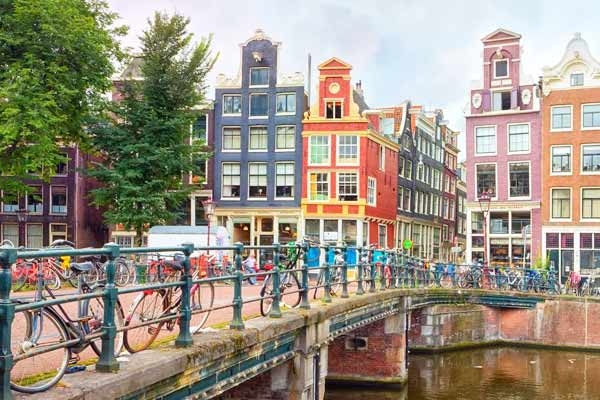
Amsterdam is among the most popular places to visit in Europe, drawing millions of tourists from around the globe each year. Nonetheless, the situation regarding tourism might change significantly as the government plans to introduce a 20 percent tourist tax. Currently, Amsterdam already has one of the highest tourist taxes in Europe, which stands at 12 percent of the accommodation rate for overnight stays, or a €15 tax for those visiting for the day. The tax is likely to increase based on the new regulations being suggested by the local city council's coalition government. Reports indicate that a coalition agreement was released this week, where the governing parties expressed their intention to implement a 16 percent tax next year and raise it by 1 percent annually until it reaches 20 percent by 2030. “Amsterdam continues to be a welcoming location for travelers from around the globe. While tourism aids the city’s economy, it also creates considerable stress on public areas, living standards, and city services," the translated document stated, according to the Independent report.
Additionally, the document mentioned, “The coalition has therefore resolved to raise the tourist tax to ensure visitors contribute more fairly to the expenses the city faces for management, upkeep, enforcement, and improvements in the quality of living. ” The city council indicated that the funds generated from the tourist tax would be utilized to enhance cleanliness, safety, and liveliness in Amsterdam for both residents and tourists. According to the report, the agreement also highlighted that officials are suggesting the closure of the city’s port terminal to prevent access to Amsterdam via sea cruises, and they plan to propose new options after discussions with the national government and local authorities. There are also plans to acquire buildings and buy out businesses within them to “revitalize” the city center, along with considering an increase in the entertainment tax that boat tours, kayaks, and other canal rentals must pay. Furthermore, the agreement included proposals for establishing an “Erotic Centre” in the Zuid area to provide a safer working environment for sex workers and effectively reduce the criminal elements affecting prostitution. The new plan stated that the Erotic Centre will concentrate on small-scale projects to lessen the burden in the city center. Finally, it mentioned that their suggested initiatives aim to foster a balanced economy for tourists through cooperation among businesses, residents, and organizations.